

If a sash in your prewar Elmont house takes both hands to raise, one part is usually out of place or giving out. Usually we can free it without tearing anything out. Elmont began as the farm settlement of Fosters Meadow and became the hamlet of Elmont in the 1880s. Some of its houses have been in use for a very long time.


Based on 104 reviews
Window & Door Repair in Elmont, NY
Freeing painted-shut sash and swapping worn stops are everyday jobs in Elmont's prewar and postwar houses. Plenty still have their wood sash.
Get a Free Estimate
Tell us what's wrong and we'll recommend the right repair.
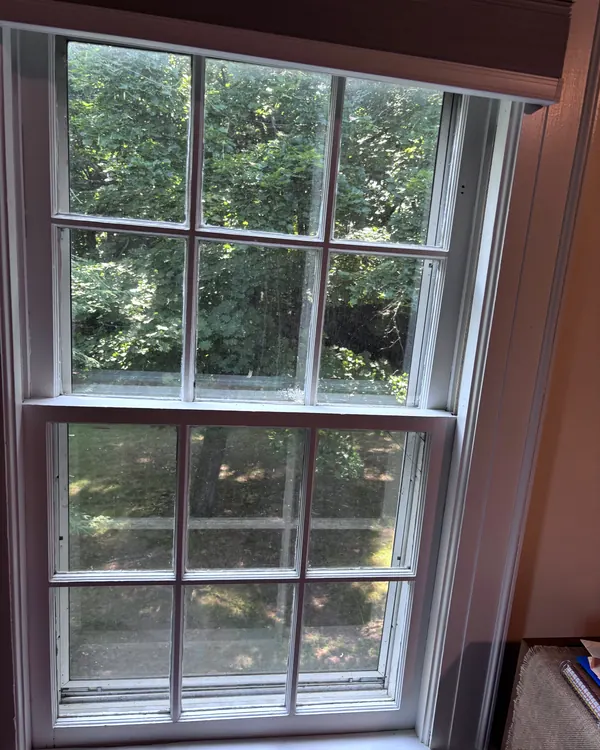

Should you give up on a two-handed sash?
Not at all. Wood sash rides in a channel formed by thin trim strips called stops. At some point someone may have nailed the stops in tight to quiet a rattle. Now the sash binds, and lifting it is a workout.
We pull the stops, ease the sash edges where they rub and set the stops back with just enough room. The window then glides and still closes snug. Before you give up on a window you never open, ask us to look at its stops.
Mending versus swapping in 1940s and 1950s houses
Many windows from the forties and fifties have metal or wood sash that was painted shut more than once. We free the paint line, replace worn cords, springs or latches, and fit the sash back so it moves easily.
Doors age differently. One that sags is set right with a shim behind the hinges, which brings it square in its frame. A two-family house may have upstairs and downstairs units with windows that stick, so mention which ones give you trouble.
Drafts in a garage work room
The Town’s Residence B zoning, which covers much of Elmont, lets a private garage include a room used for a home occupation. If part of your garage has become a work room, its door and little window were likely built for storage. They were not made for someone at a bench all day. Air slips in around the door, and the window may not open at all.
We plane and rehang the door until it sits evenly against its stop, then add weatherstrip around the frame. A stuck garage window is freed, and a cracked pane is replaced. The room should then hold its heat better in winter and get fresh air when you want it.
If one room runs cold, trace the draft with your palm
Move your palm slowly around each frame on a gusty day, then look at three places:
- The top hinge screws of any door: loose ones let it sink and gap.
- The corners where trim meets the frame, which may have lost their caulk.
- The bottom edge of a door, where the sweep may have worn thin.
Gaps you find are usually small. Write them down and we can fix them together.
If your panes show cracks, cloud or dark streaks
A pane that is cracked needs only new glass. Cloud between two layers shows the seal gave out, so that sealed unit is exchanged. Dark stain streaks below a pane are a sign of rot, because water has sat on the wood there. Check the sill and lower rail for soft spots. Rot caught at the streaks is a small patch, and left alone it spreads through the rail.
What Elmont folks ask about windows and doors
The casement closes but the handle never finds its catch. Why?
Most likely the sash has dropped a hair, and the handle’s catch no longer lines up. First look for a loose hinge screw. If the sash still sits low, call us to square it and move the keeper.
The patio slider barely moves under years of paint. Could you free it?
Yes. Scrape paint off the track and the door edge, then wax the track. If it still binds after that, the rollers have flattened and need replacing.
Why does our screen door bounce off the latch?
Usually the latch plate has shifted or the closer pulls too hard, not a warped frame. We move the plate and tune the closer.
Opening the bay window brings a squeak. Is something dry?
The sash cords or pulleys, or a dry track, make the noise. A few minutes of cleaning and lubricating stops it, unless a cord is frayed.
Raising the attic window sets off a rattle. What causes that?
A loose stop or a worn latch rattles first. Attic sash gets hot and cold, and the fit loosens. We tighten the stop and replace the latch.
Our Services
Window and Door Services in Elmont
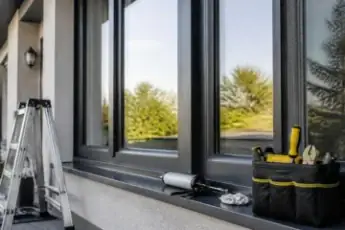
Window Maintenance
Professional window maintenance keeps windows operating smoothly, prevents costly problems, improves energy efficiency, and extends the lifespan of existing systems.
Learn more
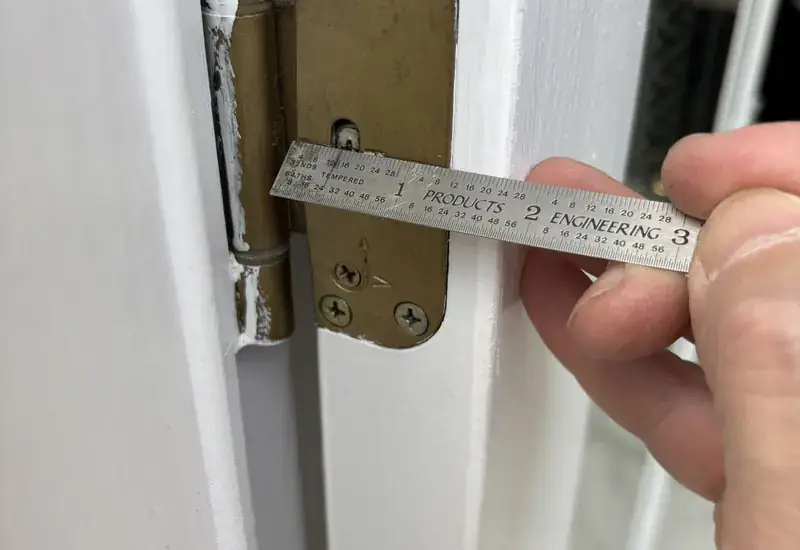
Interior/Exterior Door Repair & Adjustments
Professional interior and exterior door repair and adjustments to correct sticking, sagging, misalignment, drafts, locking problems, and difficult everyday operation.
Learn more
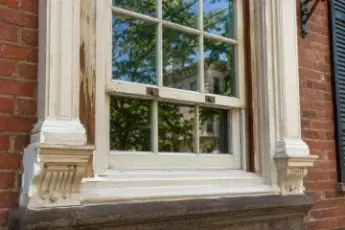
Historical Window Repair & Maintenance
Specialized historical window repair preserves original character, restores proper operation, improves performance, and maintains the architectural integrity of older properties.
Learn more
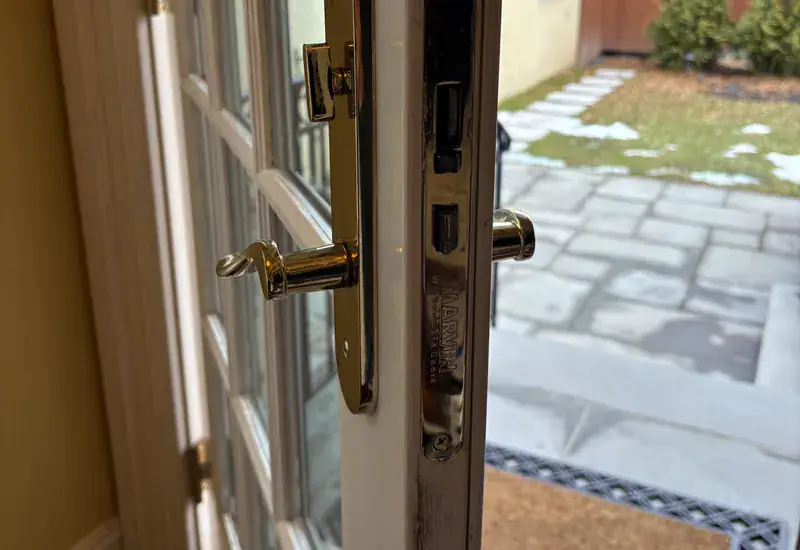
Hardware Maintenance & Replacement
Professional maintenance and replacement for door handles, locks, hinges, closers, and hardware to improve security, performance, reliability, and everyday operation.
Learn more
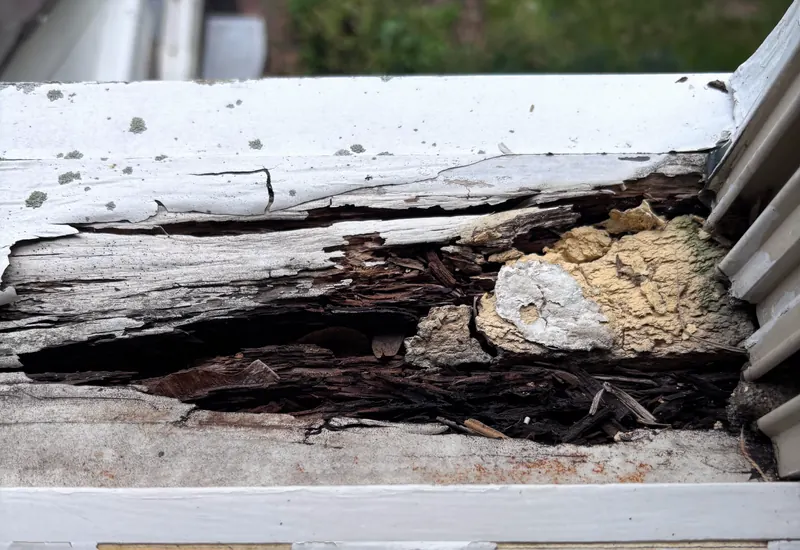
Rotten Wood Repair & Replacement
Rotten wood repair restores damaged frames, sashes, sills, and trim while preserving usable components and preventing further serious structural deterioration.
Learn more
Brands we service



























Our Services
Explore Our Services to Repair, Maintain, and Improve Your Existing Windows and Doors
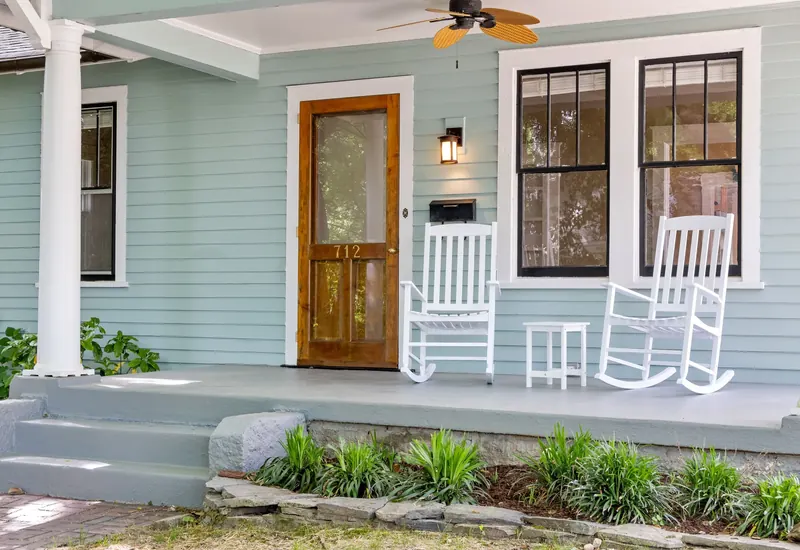
Storm Door Repair & Maintenance
Complete storm door repair and maintenance for hinges, closers, handles, screens, alignment, and seals to restore dependable operation and lasting results.
Learn more
Low-E Glass Upgrade
Low-E glass upgrades improve insulation, reduce heat transfer, block harmful UV rays, increase comfort, and enhance year-round window energy efficiency.
Learn more
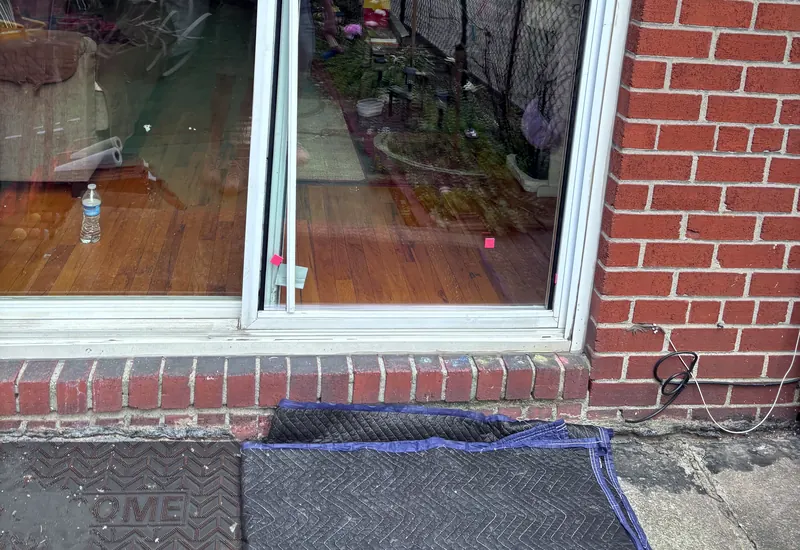
Patio Door Repair & Maintenance
Reliable patio door repair and maintenance for rollers, tracks, locks, handles, alignment, and seals to improve smooth operation and overall reliability.
Learn more
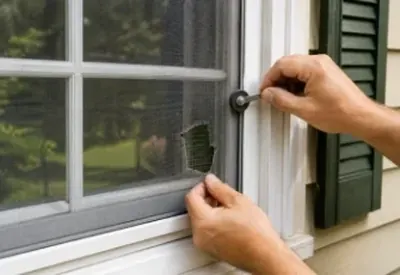
Screen Repair & Replacement
Screen repair and replacement restores airflow, visibility, and protection from insects using durable materials fitted accurately to windows and doors.
Learn more

Commercial Window Service & Repair
Commercial window service keeps business properties secure, functional, and efficient through professional repairs, maintenance, and inspections.
Learn more
Window Installation
Professional window installation ensures proper fit, sealing, operation, and energy performance while improving comfort, durability, and overall property value.
Learn more
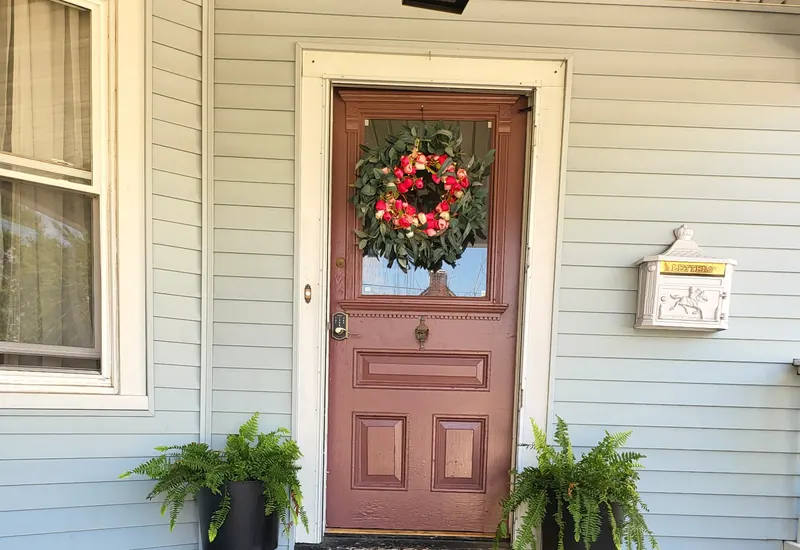
Interior/Exterior Door Installation
Professional interior and exterior door installation with precise fitting, proper alignment, secure hardware, effective sealing, smooth operation, and attractive results.
Learn more
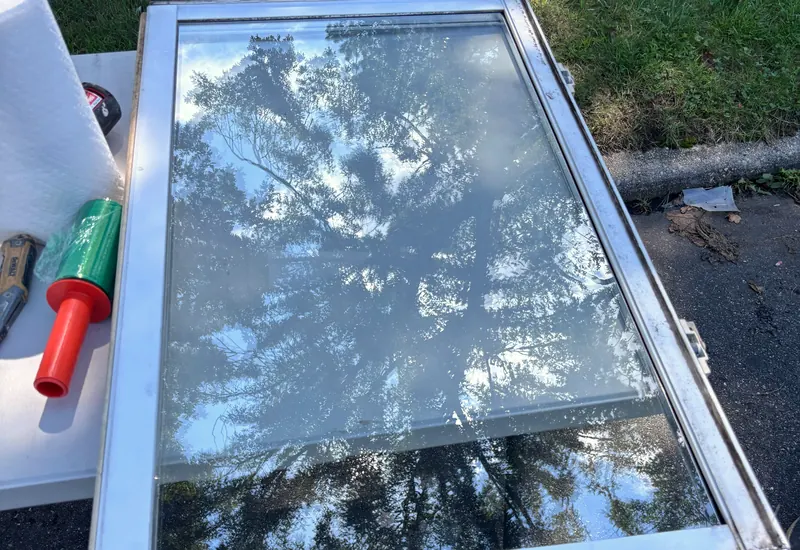
Glass Replacement
Restore safety, clarity, comfort, and energy efficiency with professional service for damaged, cracked, foggy, or broken window and door glass.
Learn more
Full Service List
More Window & Door Services
Complete repair solutions for residential and commercial windows and doors.
Window Services
- Window Adjustment & Realignment
- Window Recaulking & Sealing
- Window Mechanism Repair
- Window Balance Repair & Replacement
- Window Operator Repair & Replacement
- Window Lock & Handle Replacement
- Window Weatherstripping Replacement
- Drafty Window Repair
- Preventive Window Maintenance
- Window Reglazing
- Foggy Window Glass Replacement
- Insulated Glass Unit (IGU) Replacement
- Custom Glass Cutting & Replacement
- Sidelight Glass Replacement
- Stained & Decorative Glass Repair
- Greenhouse Window & Glass Repair
- Window Sash Repair & Restoration
- Window Frame Repair
- Wood Window Repair
- Rotten Window Sash Repair
- Rotten Window Frame Repair
- Bay & Bow Window Wood Repair
- Sunroom Window Repair
- Jalousie & Louver Window Repair
Door Services
- Door Adjustment & Realignment
- Wood Door Repair & Restoration
- Door Glass Replacement
- Door Weatherstripping & Draft Repair
- Door Hardware Repair & Replacement
- Multipoint Lock Repair
- Door Lock & Handle Replacement
- Patio Door Roller & Track Repair
- Sliding Patio Door Adjustment
- Patio Door Hardware Repair
- Sliding Screen Door Repair
- Storm Door Hardware Repair
- Storm Door Glass Replacement
- Storm Door Screen Replacement
- Storm Door Adjustment
Service pages66 pages by service type
Glass Repair & Replacement
- Window Reglazing
- Foggy Window Glass Replacement
- Insulated Glass Unit (IGU) Replacement
- Custom Glass Cutting & Replacement
- Sidelight Glass Replacement
- Decorative & Privacy Glass Replacement
- Greenhouse Window & Glass Repair
- Broken & Cracked Window Glass Repair
- Emergency Window & Glass Repair
- Patterned, Privacy & Obscure Glass Replacement
Commercial Window Repair
- Commercial Glass Repair & Replacement
- Storefront Glass & Door Repair
- Commercial Window Repair
- Commercial Window Replacement & Installation
- Commercial Window Hardware Repair & Replacement
- Commercial Insulated Glass Unit (IGU) Replacement
- Commercial Low-E Glass Replacement & Upgrades
- Curtain Wall Glass Repair & Replacement
- High-Rise Window & Glass Replacement
- Property Management Window & Door Services
Window Types & Materials
- Double-Hung Window Repair
- Casement Window Repair
- Awning Window Repair
- Sliding Window Repair
- Tilt-and-Turn Window Repair
- Hopper Window Repair
- Picture & Fixed Window Repair
- Garden Window Repair
- Basement & Egress Window Repair
- Aluminum Window Repair
- Vinyl Window Repair
- European Window & Door Repair
- Specialty & Custom-Shape Window Repair
Areas We Serve
Serving 300+ Communities
We cover Nassau County, Suffolk County, Queens, the Bronx, and southern Westchester, plus selected areas of Connecticut and New Jersey, including all the listed areas:
Showing areas
Free Estimate
Need a Window or Door Repaired in Elmont?
Tell us what's wrong and we'll recommend the right repair.